THE ATTACHMENT AND HEALTH DISPARITIES LAB
NEW YORK UNIVERSITY SCHOOL OF GLOBAL PUBLIC HEALTH
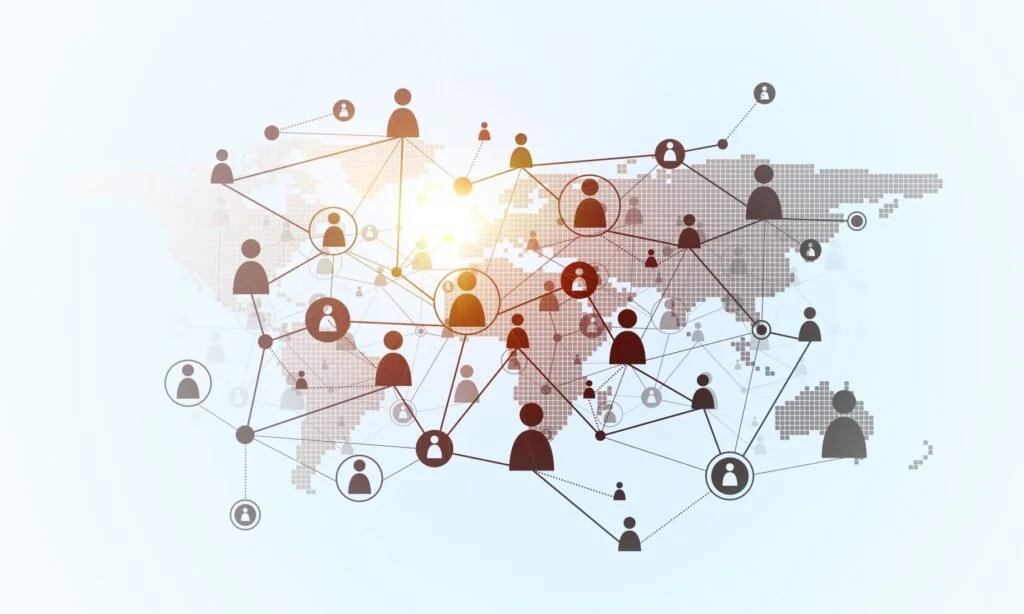
Science at the intersections of stress, space, and health
science • space • health • technology • digital stress
We explore how stress, social structures, space, and relationships shape mental and physical health, particularly among people who face multiple forms of marginalization. Our research examines how individual experiences of minority stress and attachment interact with structural stressors across physical and digital spaces to reveal the pathways through which inequity becomes embodied.
Our cutting edge methods integrate ecological momentary assessment, GPS tracking, biomarkers and AI tools to clarify the mechanisms linking stress, social structures, space, and health. These technologies allow us to investigate how digital stress weathering and physical environmental interactions shape health, and how close ties and spatial context can buffer risk or intensify stress.
We are committed to conducting rigorous science that matters by partnering with communities in New York City and beyond, informing public health policy and educational settings, and training the next generation of scholars to address health disparities with innovation, equity, and impact.

BRIDGE Biostatistical Consultation Program
NYU AoU is excited to announce the launch of our BRIDGE biostatistical consultation program which is designed to train, advise, and provide career researchers in data analysis, grant development, and various other statistical support.
Our program integrates theory‑driven social epidemiology, psychoneuroendocrinology, and quantitative & spatial intersectionality.
Research pillars
Minority stress & resilience
Mechanisms linking stress based on marginalization, attachment, and health behaviors; protective roles of relationships and community.
Spatial intersectionality
How physical, perceived, and narrated spaces embed advantage and risk across daily movement and digital life.
Methods & measurement
Using innovative methodilogical [gema acronym] protocols, statistical measurements, causal inference, and AI tools for equitable learning.
A selection of current research studies at the AHDL.
Featured projects

GeoSense+ Study
30-day stress tracking with EMA, GPS, and biomarkers; testing protective effects of close ties.

The Election Study
To advance our understanding of how sociopolitical contexts influence daily experiences.
Digital Weathering
How social media patterns shape physiology and mental health among youth.
A short selection. Full list available upon request.
Recent publications
Ongoing Initiatives
Partnerships in progress.
Census Bureau

Sign up for All of Us BRIDGE
Directed by Dr. Stephanie Cook, we are an interdisciplinary team of trainees and collaborators across NYU and beyond.
People
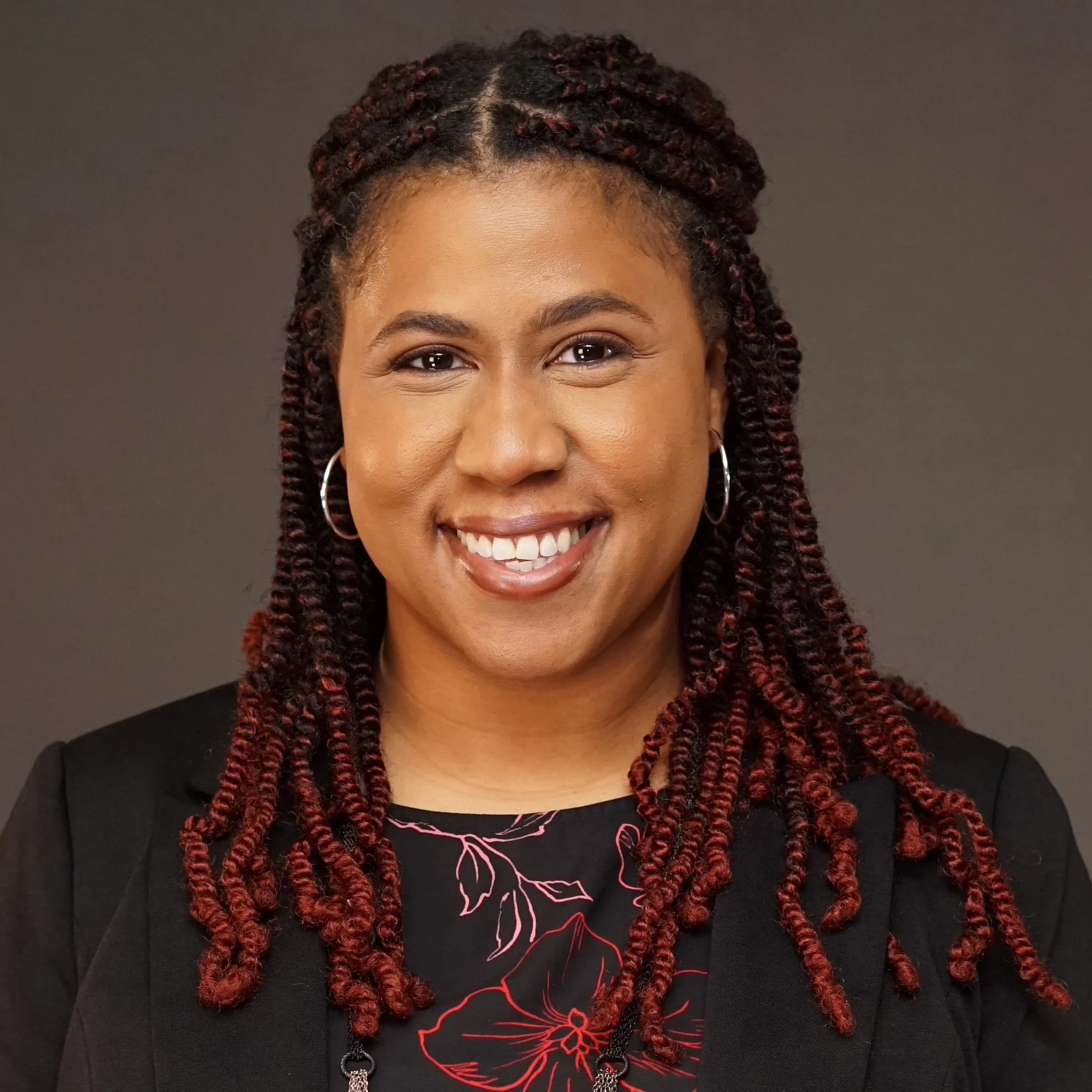
Stephanie Cook, PhD
Director, Associate Professor

PhD Candidates
Interdisciplinary partners at NYU & beyond

Graduate & Undergraduate
Research Assistants
News
Check out the latest in the lab.

Watch Dr. Cook’s Conversation with I Am GPH
Sign up for All of Us BRIDGE
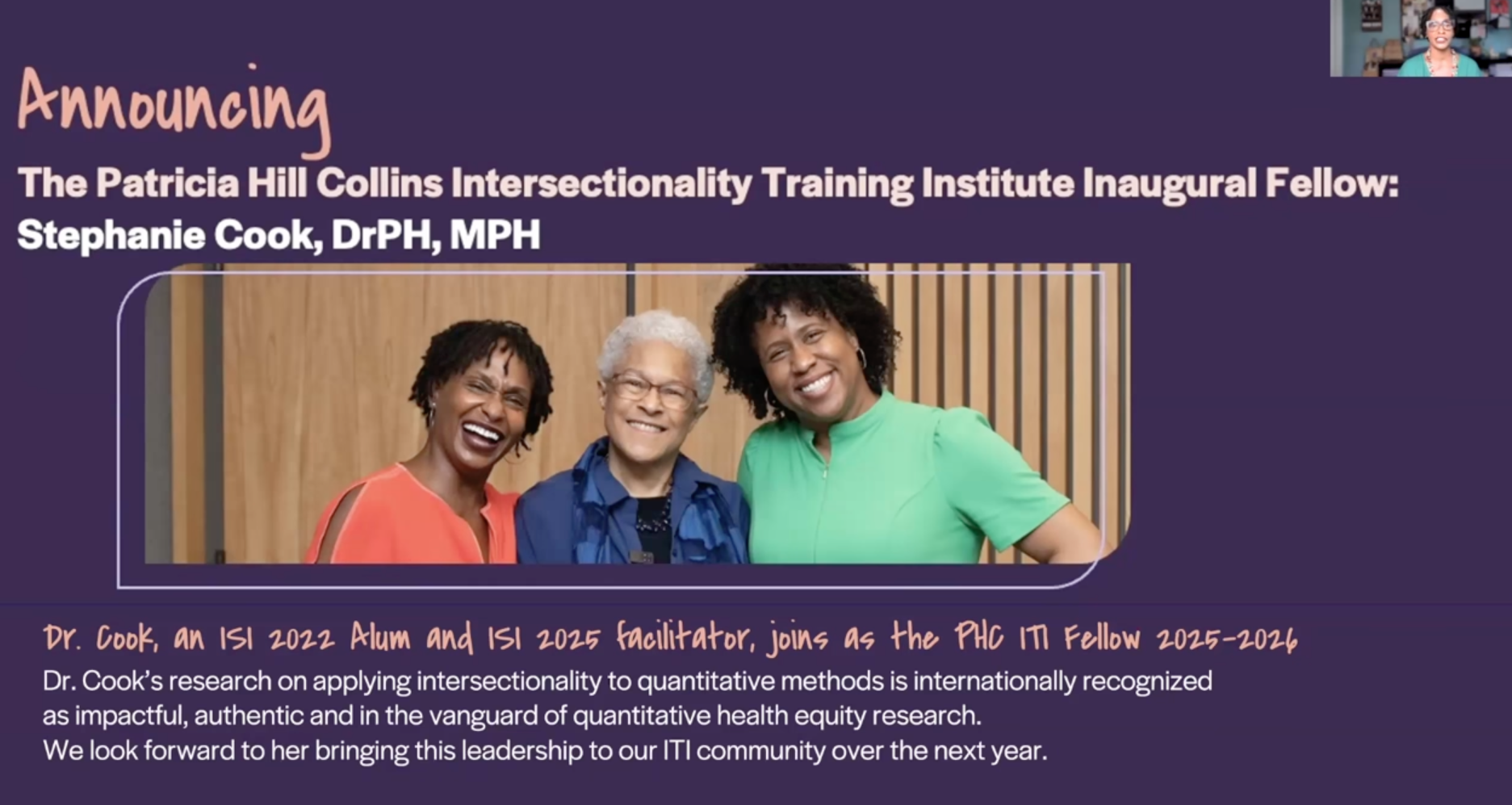
Congratulations to Dr. Cook, PHC ITI Fellow 2025-2026
Watch Dr. Cook’s Conversation with I Am GPH
EP161 The Science of Stress: How Social Bonds Can Protect Your Health with Dr. Stephanie Cook
Feb 27, 2025
In this episode we speak with Dr. Stephanie Cook, Associate Professor and Director of the Attachment and Health Disparities Research Lab, about the science behind minority stress and resilience. She explains how stress manifests biologically through cortisol regulation, why chronic exposure to social discrimination dysregulates the body’s stress response, and how public health research is using biomarkers like saliva and hair samples to measure these effects. Dr. Cook also highlights the power of close relationships in buffering stress, discusses her ongoing 30-day stress tracking study, and reveals how policymakers can use physiological data to drive systemic change.